Bobų Vasara: The Baltics’ Golden Secret Between Summer and Autumn
Imagine arriving in Northern Europe in late September expecting grey skies, cold rain and the first signs of winter – only to find café terraces full, forests glowing in gold and red, and warm sunlight spilling across the old streets of Vilnius, Riga or Tallinn.
This unexpected return of summer-like weather is one of the Baltic autumn’s most beautiful surprises.
In Lithuania, it has a wonderfully distinctive name: bobų vasara. Literally, it means “old women’s summer.” The expression may sound unusual to an English-speaking visitor, and there are several theories about its origin. Today, however, the meaning is simple: summer has officially ended, cooler weather has arrived, and then suddenly the sun returns.
Meteorologically, bobų vasara is a period of dry, sunny and relatively warm autumn weather, usually appearing in late September or beginning of October. On particularly beautiful days, temperatures can reach around 18–22°C, although nights may already be cold enough for the first frost. Sometimes the phenomenon lasts only a couple of days; in other years, the settled weather can continue for much longer.
American travellers may recognise the idea as what has traditionally been called an “Indian summer.” For our guests from Australia, the experience feels even more unusual: September and October mean spring back home, while in the Baltics these months mark the beginning of the colourful journey towards winter.
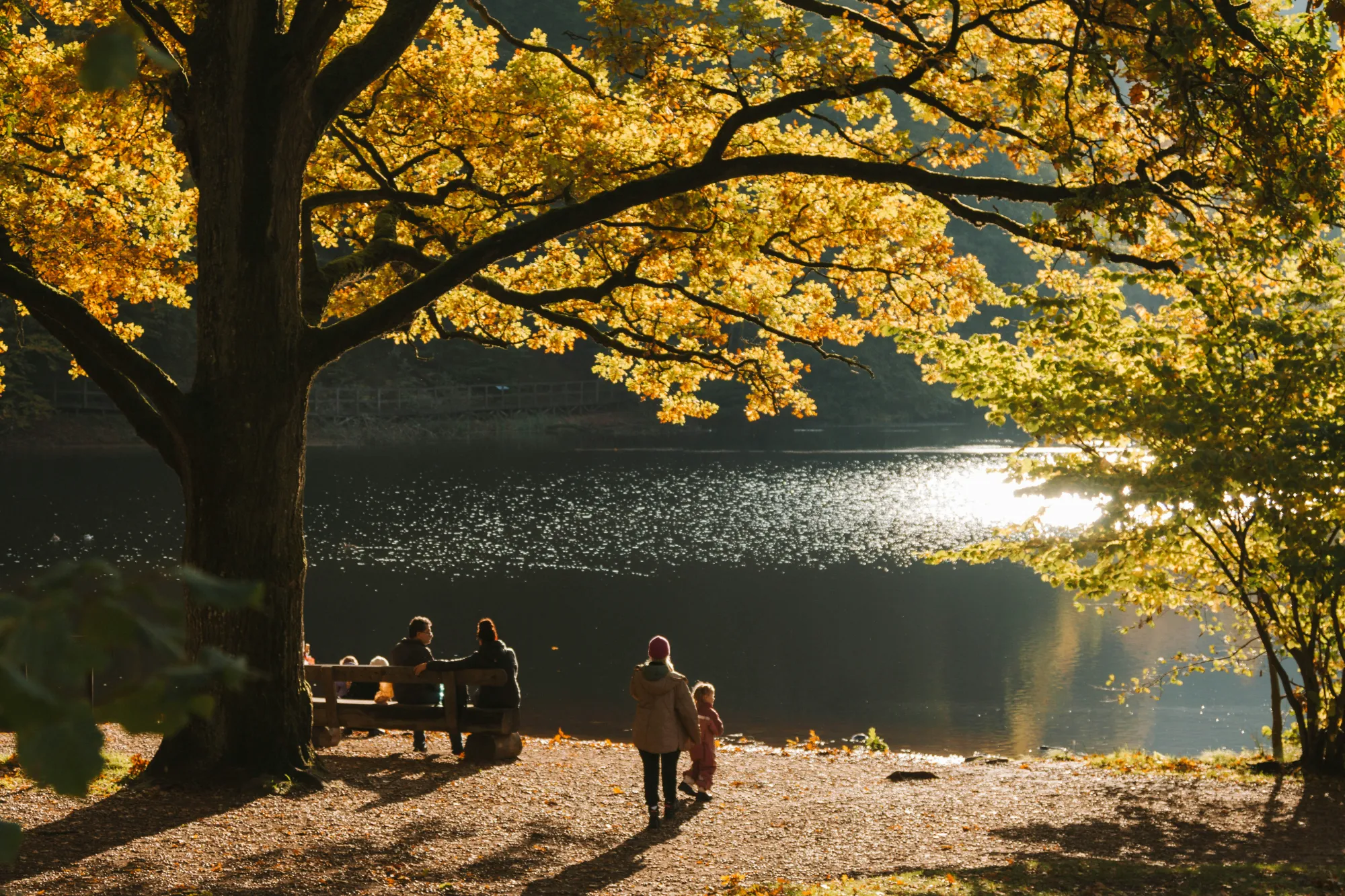
Lithuania: autumn in gold
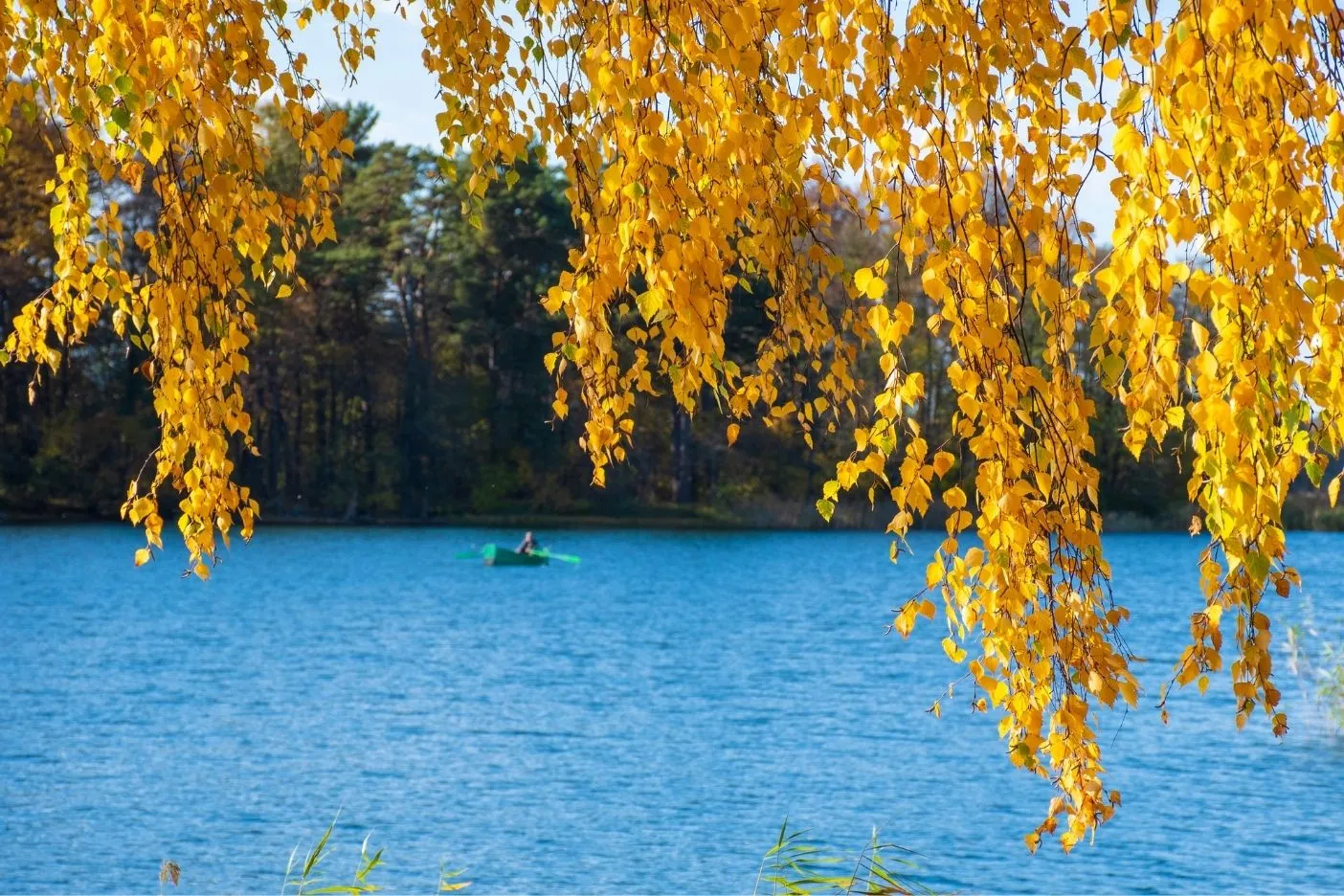
Lithuania is particularly beautiful during bobų vasara. In Vilnius, trees along the Neris River, in Vingis Park and around the historic centre begin turning yellow, copper and red. The lower autumn sun gives the façades and church towers of the Old Town a warm, almost cinematic glow.
Outside the capital, forests and lakes become even more impressive. It is mushroom season, countryside roads are surrounded by autumn colours, and outdoor cafés try to hold on to the last warm afternoons.
There is something very Baltic about making the most of these days. Locals know that they are temporary. A sunny afternoon is not simply good weather – it feels like a small gift before the long northern winter.
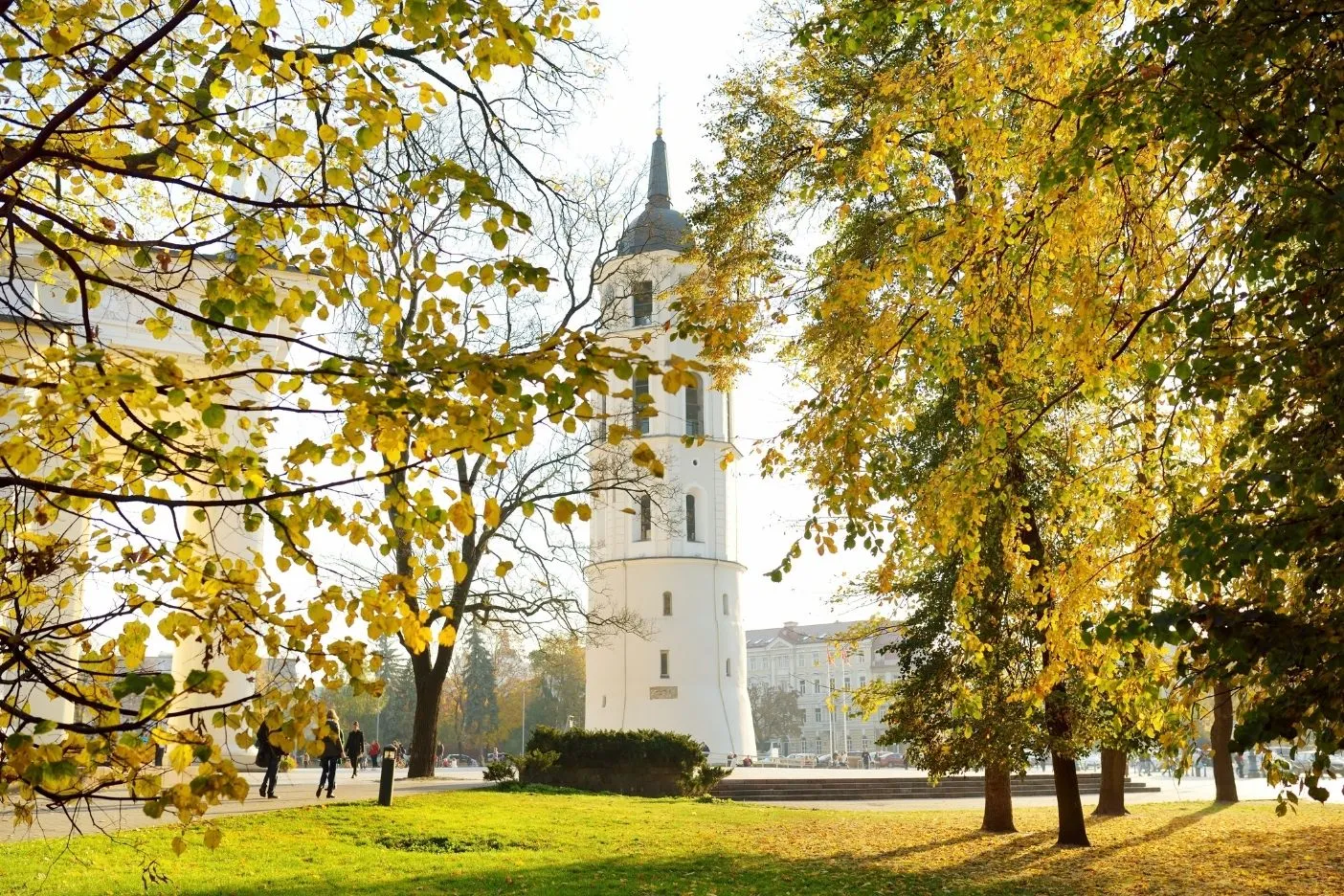
Latvia: atvasara
Cross into Latvia and the season has another name: atvasara. The Latvian term describes the warm, sunny period towards the end of summer and beginning of autumn.
Riga is especially pleasant at this time of year. The city’s green parks begin changing colour, while the Art Nouveau streets and historic centre can be explored without the crowds of high summer.
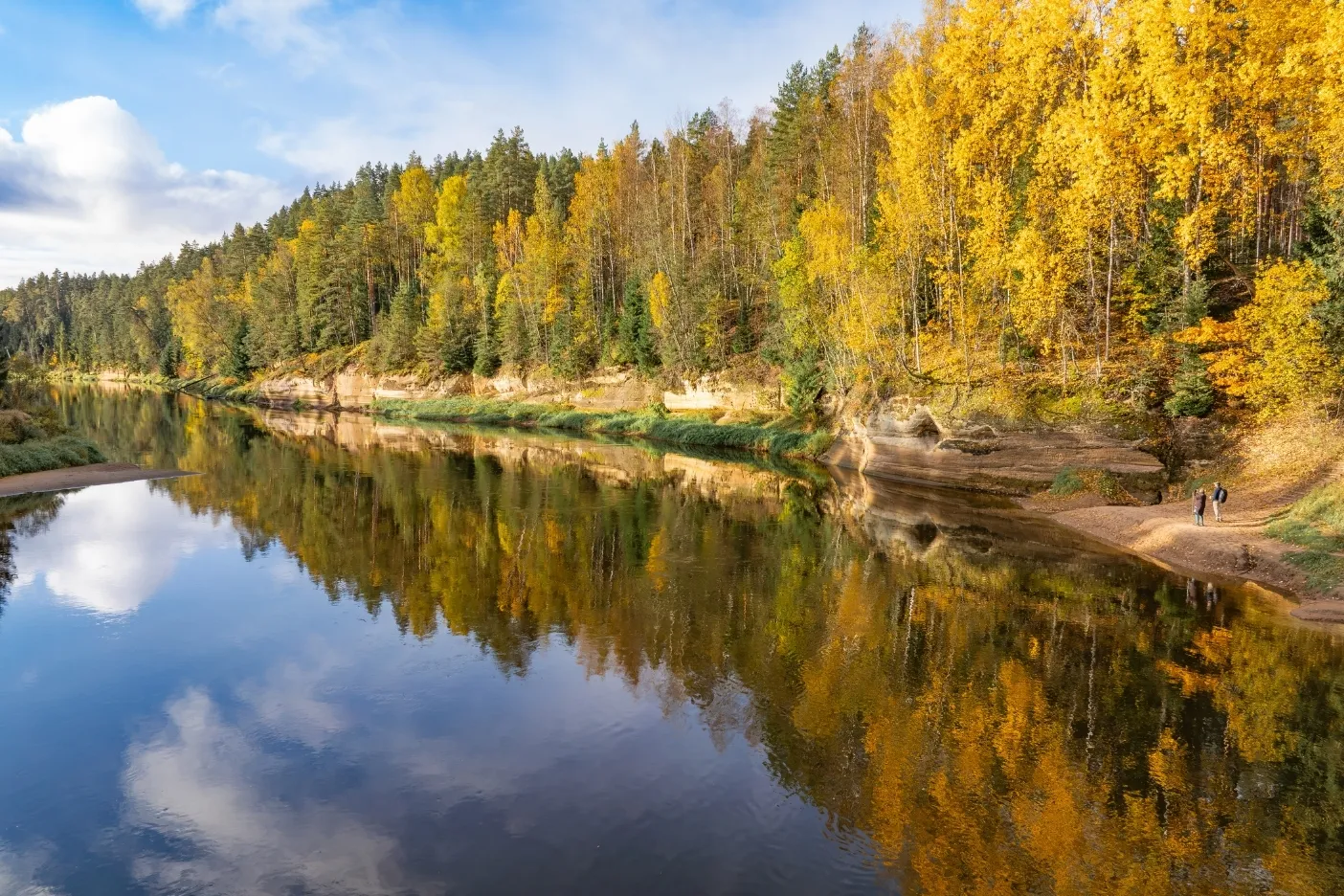
For an even stronger autumn experience, head towards Gauja National Park, where forests, sandstone cliffs and river valleys turn into a palette of amber, rust and yellow.
Estonia: vananaistesuvi
Estonia has a name surprisingly close to Lithuania’s: vananaistesuvi, literally “old women’s summer.” The Estonian Language Institute describes it as a warm period in autumn, usually occurring in the second half of September or in October.
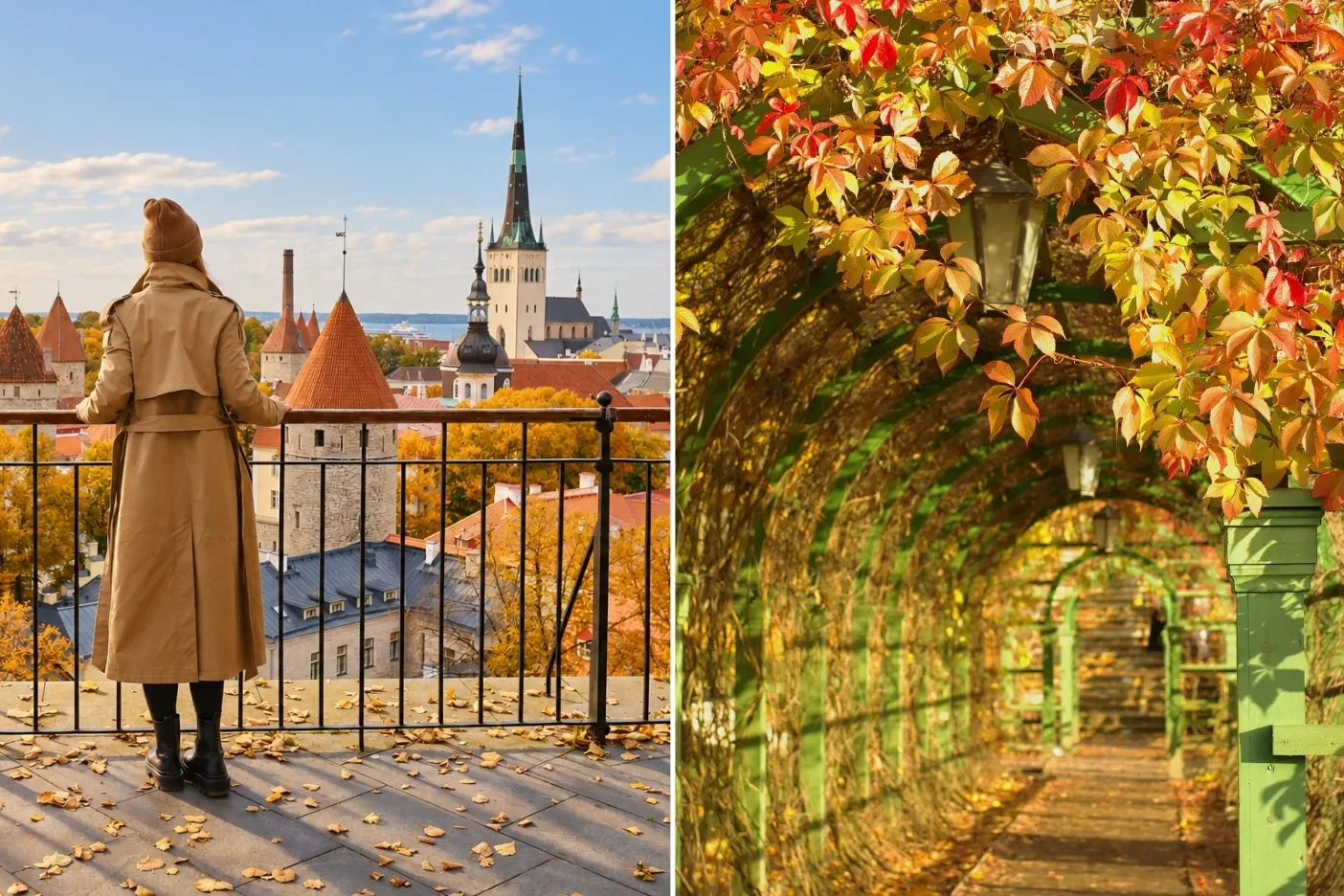
In Tallinn, the low autumn sun catches the red roofs and medieval towers of the Old Town, while Kadriorg Park fills with colour. Beyond the capital, Estonia’s forests, islands and famous bog trails become wonderfully peaceful once the summer crowds disappear.
The beauty of not knowing
Perhaps the most charming thing about bobų vasara is that you cannot book it.
There is no official starting date and no guarantee that it will appear every year. Some autumns offer a long stretch of clear, warm days; others only a brief glimpse. Occasionally, a rainy season arrives and bobų vasara barely appears at all.
That unpredictability is exactly what makes it special.
For travellers visiting Lithuania, Latvia or Estonia in late September or early October, the best advice is to pack layers: a warm jacket for mornings and evenings, something lighter for sunny afternoons, and comfortable shoes for long walks.
The Baltics are famous for medieval cities, forests, castles and Christmas markets. But bobų vasara reveals a quieter and perhaps more intimate side of the region.
It is summer’s final encore – a handful of golden days before the northern winter begins.
And if you are lucky enough to experience it, you may discover that autumn is one of the best-kept secrets of Lithuania, Latvia and Estonia.